HINDI/URDU
Dates and Venue
Tuesday 6:00-8:00 PM
Course Dates:
September: 15, 22, 29
October: 6, 13, 20, 27
November: 3, 10,17
Venue:
House of Annetta
25 Princelet Street, E1 6 QH, London
Meet the teacher
hindi/urdu for beginners
What do we mean by Hindi-Urdu?
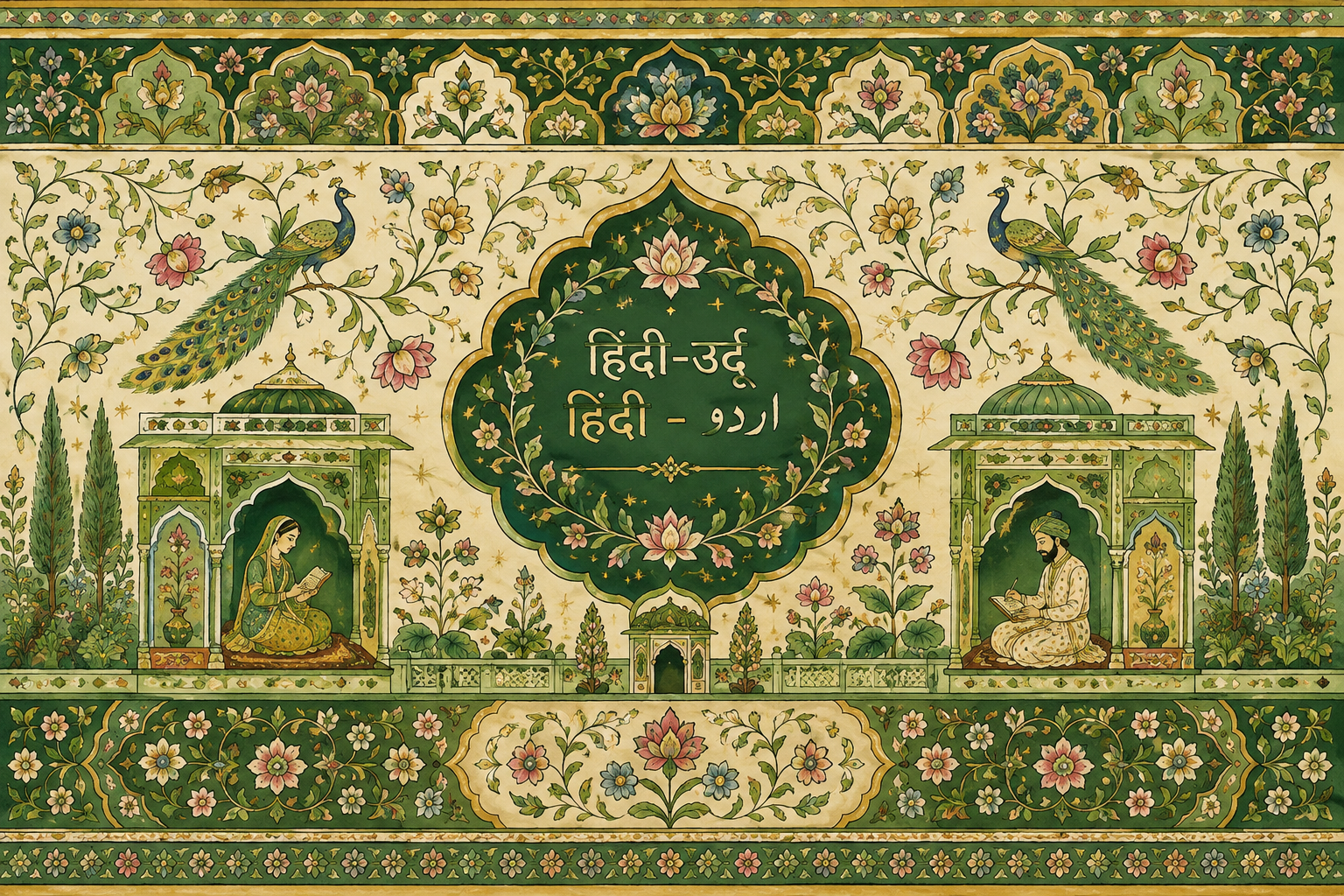
Hindi-Urdu, sometimes referred to as Hindustani, is one of the most widely spoken languages in the world, the national language of India and Pakistan, and the language of the Bombay or Bollywood film industry. There is little difference in language when it comes to spoken Hindi and Urdu, though the highest register of Hindi borrows more words from Sanskrit, whereas the highest register of Urdu borrows from Arabic and Persian. The main difference comes with the writing of Hindi and Urdu. Hindi is written in Devanagari, the script used for Sanskrit and several other South Asian languages such as Marathi and Nepali. Urdu, meanwhile, is written in Nastaliq, a calligraphic form of the Perso-Arabic script.
Learning Conversational Hindi-Urdu
Breaking down borders and barriers, the Babel’s Blessing Hindi-Urdu classes are a unique language offering. You will not have to choose between learning either Hindi or Urdu, as in most other language classes. Instead, you will have a chance to learn both, making yourself intelligible to speakers from India and Pakistan. The focus of this course will be spoken Hindi-Urdu, drawing upon a shared heritage of cinema, literature and poetry, to learn the language(s) and immerse yourself in South Asian culture.
At the same time, you will have the chance to familiarise yourself with both the Devanagari and Nastaliq scripts. Rather than having to choose one or the other, you will become acquainted with both alphabets and how they are used for written Hindi-Urdu. This is a great opportunity to challenge the perceived division between Hindi and Urdu and their respective speakers, instead emphasising a long-storied tradition of syncretism in the subcontinent.
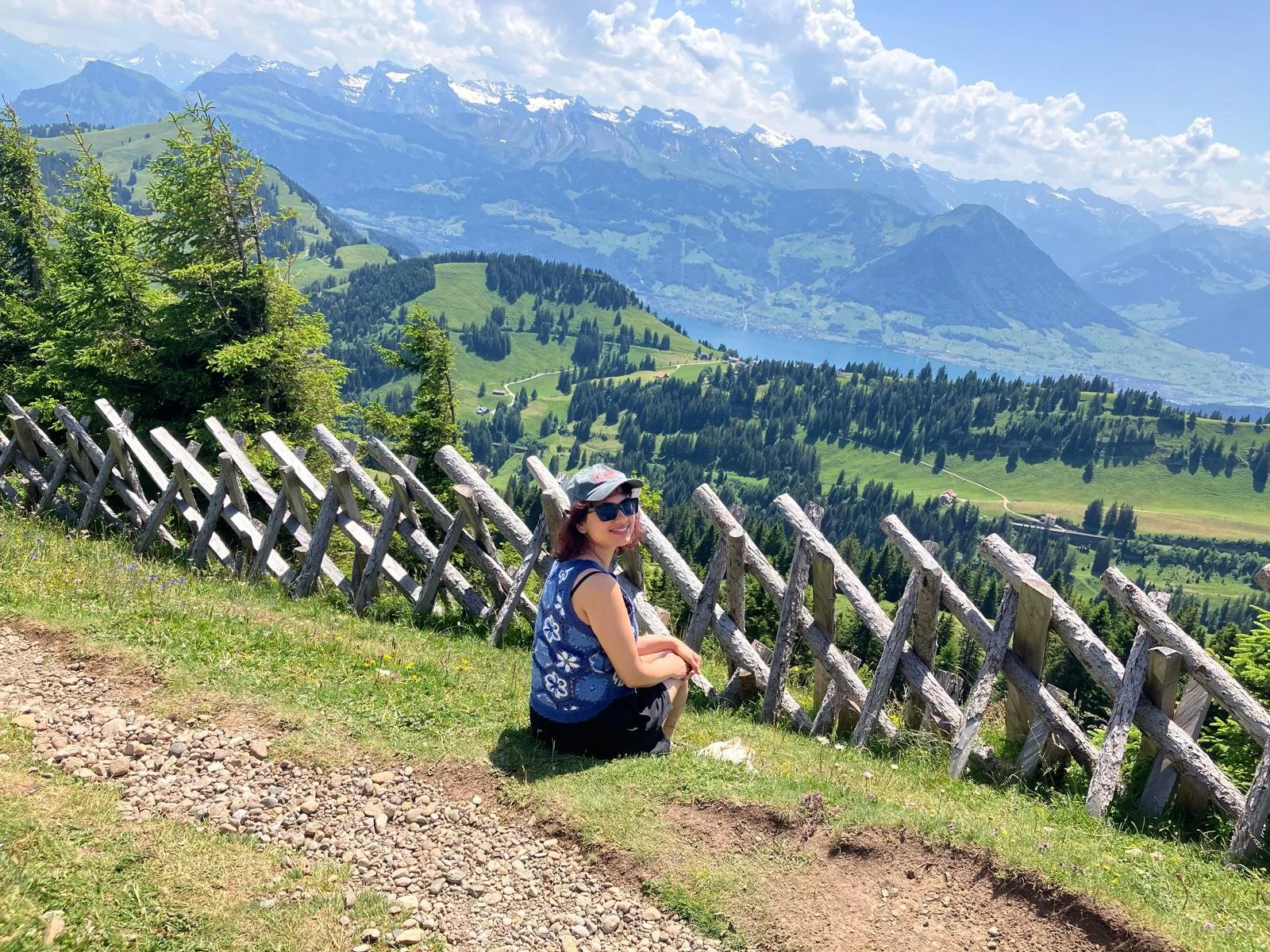
I am a museum professional and academic. I currently work for Hackney Museum on creative projects with the local community in East London. Before this, I was Curator of the Urdu and Related Collections at the British Library and Research Associate:
Literary and Artistic Archives at the Fitzwilliam Museum, University of Cambridge. I am a South Asianist by training and am in the process of completing my PhD looking at literary representations of three major archetypes of Bengali womanhood in nineteenth century British India: the child bride, widow and courtesan.